Laser for Toenail Fungus: Reading Past the Marketing
Laser is a real tool for fungal nails, wrapped in more hype than any treatment deserves. Here's the signal without the noise.
Read the article →Regenerative medicine asks a better question than 'how do we quiet this tissue': how do we get it to rebuild? For chronic tendon, fascia, and wound problems, biologics offer repair-focused options, and deserve both enthusiasm and honest framing.
Chronic soft-tissue problems stall because degenerated tissue loses the biological signals that drive repair. Regenerative treatments re-supply those signals: PRP concentrates your own platelets' growth factors; amniotic and placental-derived grafts provide a scaffold rich in collagen and signaling proteins for stalled wounds; and emerging biologics aim at the same target from different angles. All share a philosophy: place biology where healing quit, then load the tissue progressively so the repair organizes in the right direction.
Best suited to months-old problems that resist quality conservative care, patients wanting alternatives to cortisone or surgery, and stalled wounds needing a biological push. Poor fit for brand-new injuries (standard care wins there), active infection, or anyone expecting overnight results; biology builds on tissue time. Expectations get set with published evidence, not brochures.
Diagnosis confirmation, usually with ultrasound, and a frank conversation about which regenerative option (if any) has real evidence for your specific problem.
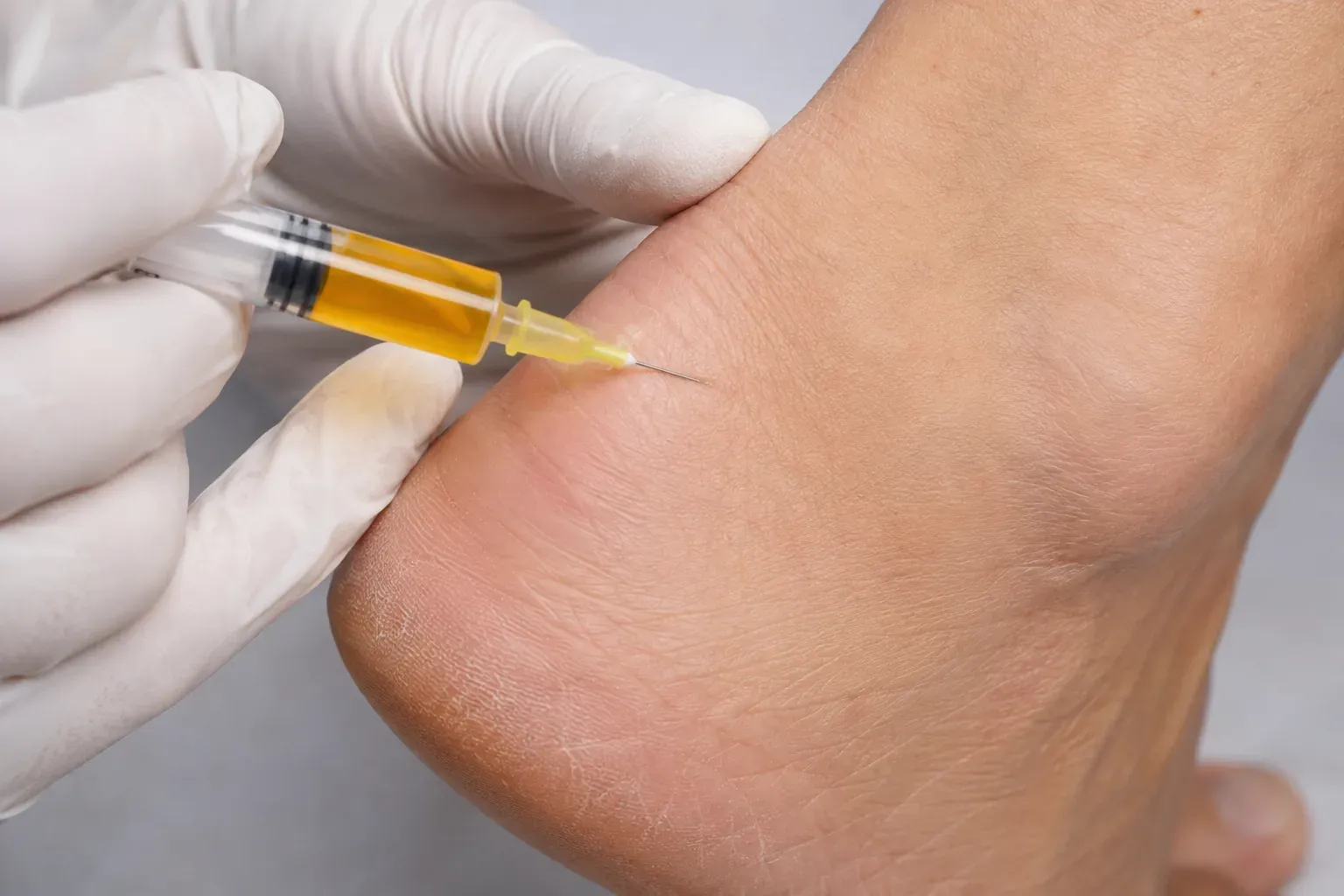
Office-based and quick: a blood draw and guided injection for PRP, or graft application during wound care. Local anesthesia, home the same hour.
A protection window, then progressive loading; follow-ups track the repair on ultrasound or wound measurements rather than guesswork.
Injection-based options bring several days of expected soreness (the repair response igniting), with benefits accruing over 6 to 12 weeks and beyond. Wound applications continue normal wound-care routines with, ideally, visibly faster closure. Nothing here is instant; everything here is aimed at durable.
Using your own blood or well-screened graft tissue keeps risks low: mainly injection-site soreness and rare infection. The bigger honesty is evidential: support is solid for some uses (plantar fasciitis, certain tendinopathies, wound grafting) and thinner elsewhere, and marketing across this field routinely outruns data. We'll tell you plainly which category your condition is in, and insurance rarely covers the injection options, so costs are quoted first.
Both exist in the market, which is the problem. PRP for plantar fasciitis and tendinopathy, and graft-assisted wound care, have credible trial support; some heavily advertised 'stem cell' offerings do not. Our rule: we offer what evidence supports and skip what it doesn't, and we'll show you which is which.
Opposite directions: cortisone suppresses the biology to silence symptoms; regenerative options amplify the biology to repair tissue. Cortisone is faster; regeneration aims at lasting. For degenerated (rather than inflamed) tissue, suppression has little left to suppress, which is exactly where regenerative options earn their place.
That's a diagnosis-first question: fascia versus tendon versus wound, degenerated versus inflamed, early versus late. The evaluation, usually with ultrasound, sorts it, and sometimes the honest answer is that simpler care hasn't been fully tried yet.
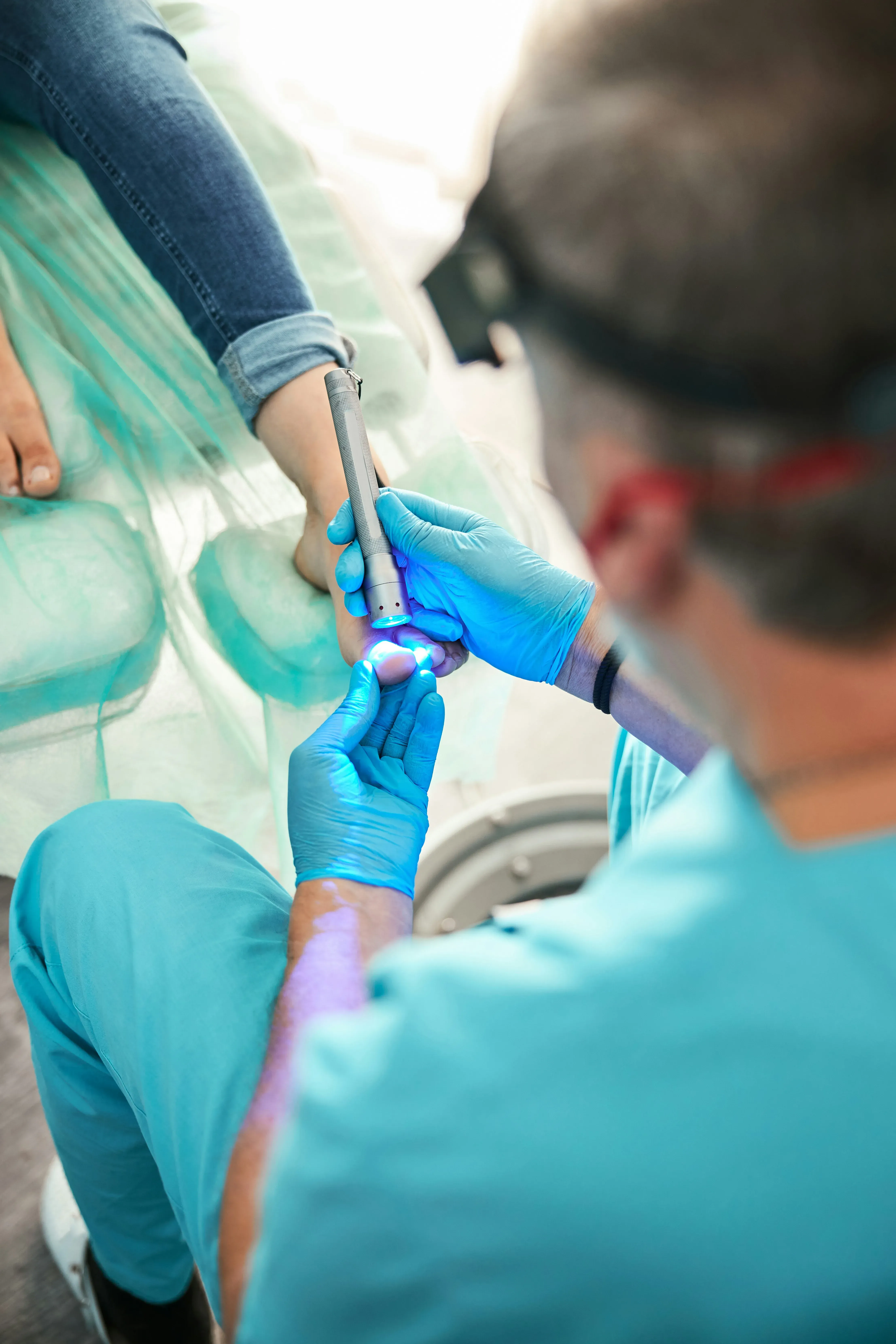
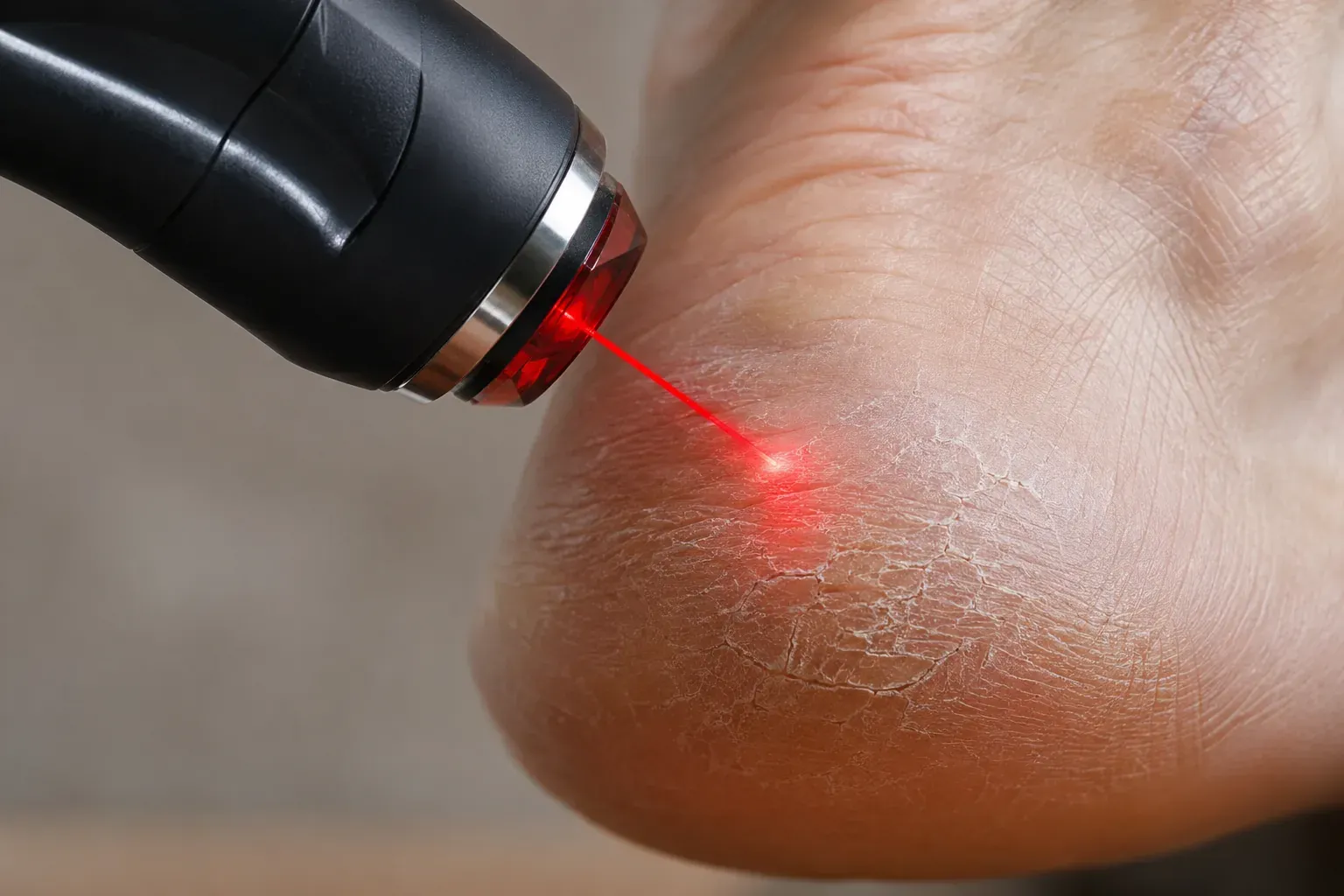
Laser is a real tool for fungal nails, wrapped in more hype than any treatment deserves. Here's the signal without the noise.
Read the article →Warts persist by hiding from your immune system. Swift's trick is blowing their cover.
Read the article →One suppresses your biology; the other concentrates it. Choosing correctly depends on which question your foot is asking.
Read the article →One exam at our Sugar Land office answers it. Call (281) 494-0572 or book online.