Heel Pain That Won't Go Away: What You're Probably Missing
When heel pain outlasts months of trying, one of four things is usually going on. None of them is 'just live with it.'
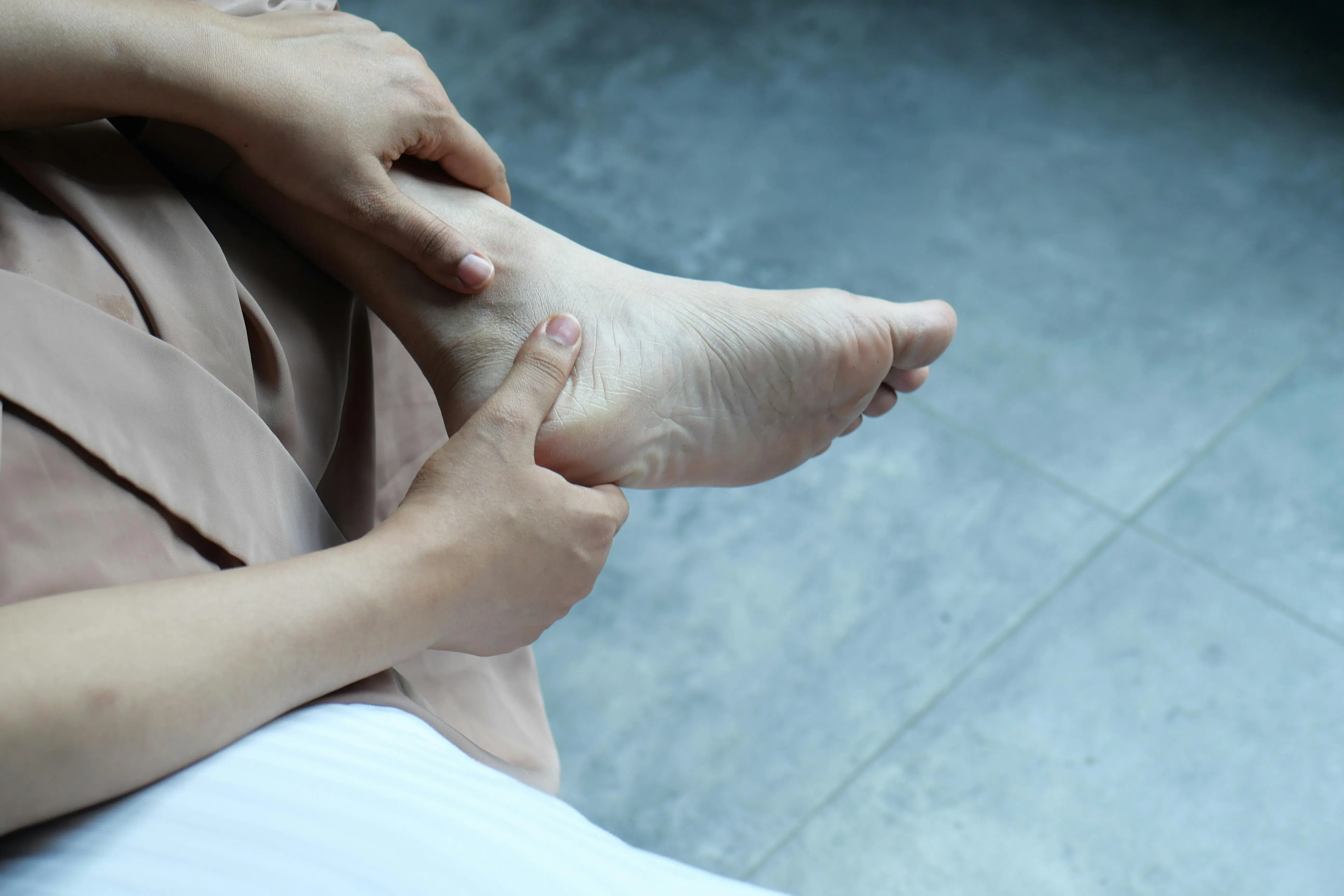
Read the article →That stabbing pain under your heel with the first steps of the morning has a name, and better news: plantar fasciitis is among the most treatable problems in podiatry, and it almost never needs surgery.
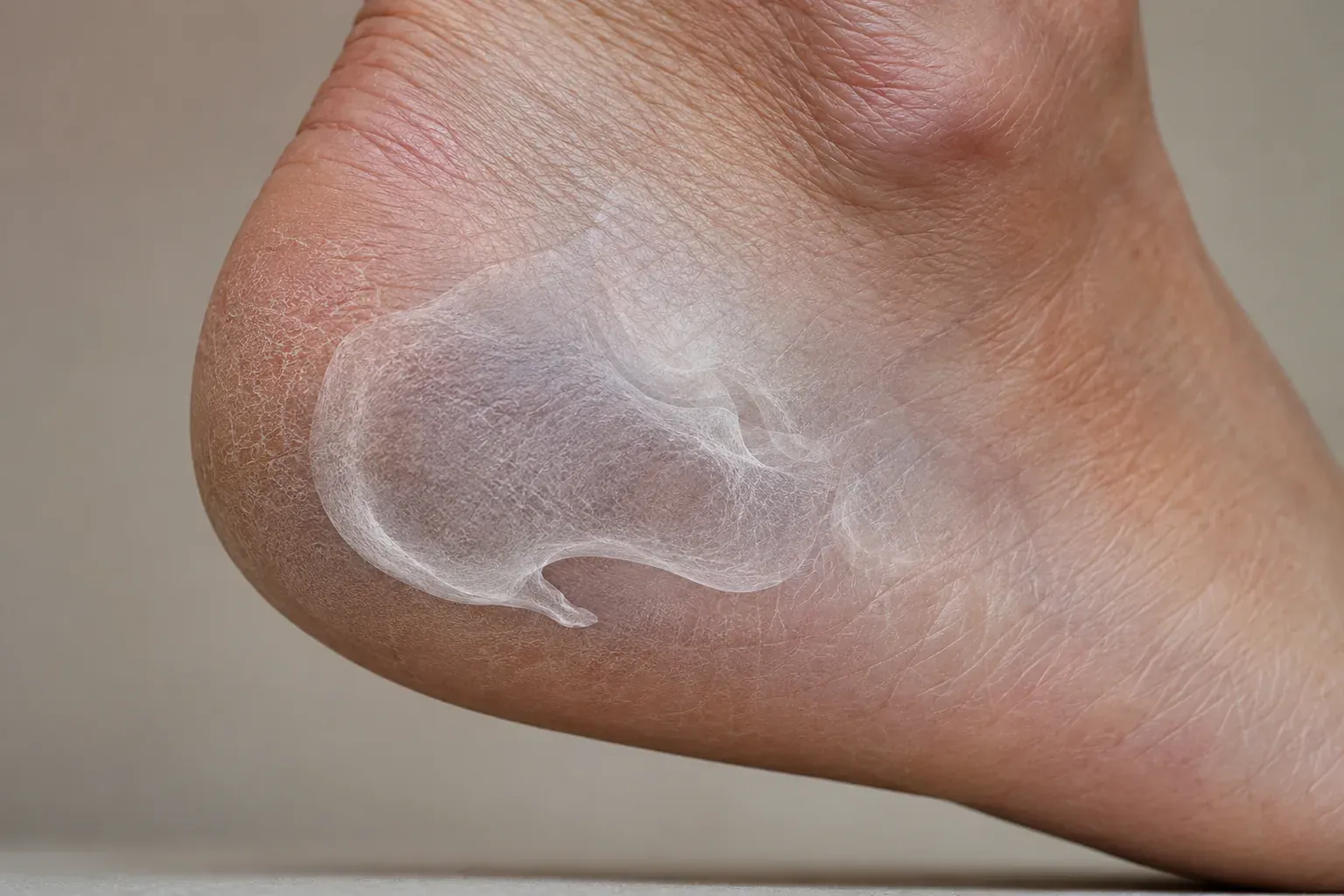
The plantar fascia is a thick band of tissue running from your heel bone to your toes, supporting the arch like a bowstring. Plantar fasciitis is the breakdown of that band where it anchors into the heel, from repeated micro-tearing that outpaces healing. It isn't really inflammation, which is why anti-inflammatories alone rarely fix it; it's a tissue-overload problem that needs the load corrected.
The diagnosis is usually clear from the story and a hands-on exam: tenderness at the fascia's heel attachment, tight calves, and the classic morning pattern. Dr. Patel uses in-office ultrasound when the picture is atypical, to measure fascia thickness or rule out a tear, and X-rays if bone problems are suspected.
Two weeks of proper self-care (calf stretching, supportive shoes, activity adjustment) is a fair trial. If pain persists past that, is severe, or has been building for months, get it evaluated; long-standing plantar fasciitis develops thickened, degenerated tissue that takes progressively longer to treat.
Call (281) 494-0572 promptly for: sudden sharp arch pain with a pop during activity, which can signal a fascia rupture; heel pain with fever or spreading redness; pain with numbness or burning into the toes. Urgent foot problems are worked into the schedule faster.
Treatment starts with the simplest option likely to work and escalates only when needed.
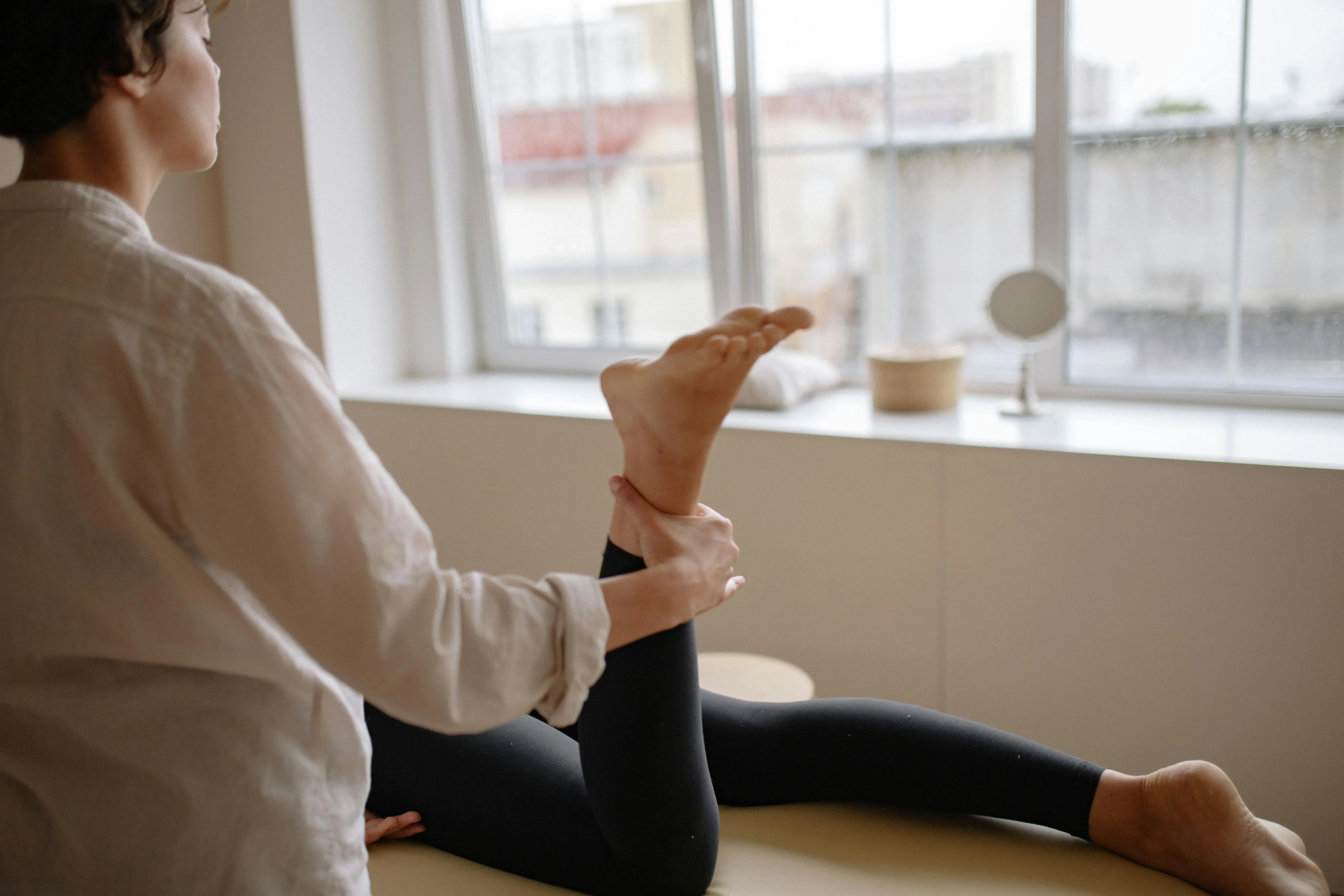
Calf and plantar fascia stretches done correctly and consistently fix more plantar fasciitis than any device. You'll leave knowing exactly how, when, and how often.
Supportive shoes plus low-Dye taping or padding gives the fascia immediate relief while healing starts.
For feet whose mechanics keep re-injuring the fascia, prescription inserts correct the load permanently, not just cushion it.
The evidence-backed next step for fasciitis that has resisted 3+ months of conservative care, typically a short weekly series with no downtime.
Cortisone is used selectively (repeated injections can weaken the fascia). Chronic cases have minimally invasive options; open surgery is a true last resort.
Caught early and treated properly, most cases improve substantially in 6 to 12 weeks. Cases that have festered a year or more can take several months. The single biggest factor is how long the problem existed before treatment started.
Often both are present, but the spur usually isn't the culprit. Spurs show up on X-ray in plenty of pain-free feet. Treating the fascia resolves the pain in most cases, spur or not.
They can calm a severe flare, but they don't fix the mechanics that caused it, and repeated injections carry a real risk of weakening or rupturing the fascia. We use them as a bridge, not a plan.
Usually you modify rather than stop: shorter distances, softer surfaces, better shoes, and a strict stretching routine. Many Sugar Land runners train through recovery with an adjusted plan.
When heel pain outlasts months of trying, one of four things is usually going on. None of them is 'just live with it.'
Read the article →Plenty of pain-free feet have spurs, and plenty of painful heels don't. Here's how to tell what's actually going on.
Read the article →Three stretches carry most of the evidence for fixing plantar fasciitis. Here's how to do them correctly, and how often.
Read the article →One visit at our Sugar Land office gets you a diagnosis and a plan. Call (281) 494-0572 or book online.