Poor Circulation in Your Feet: Signs You Shouldn't Explain Away
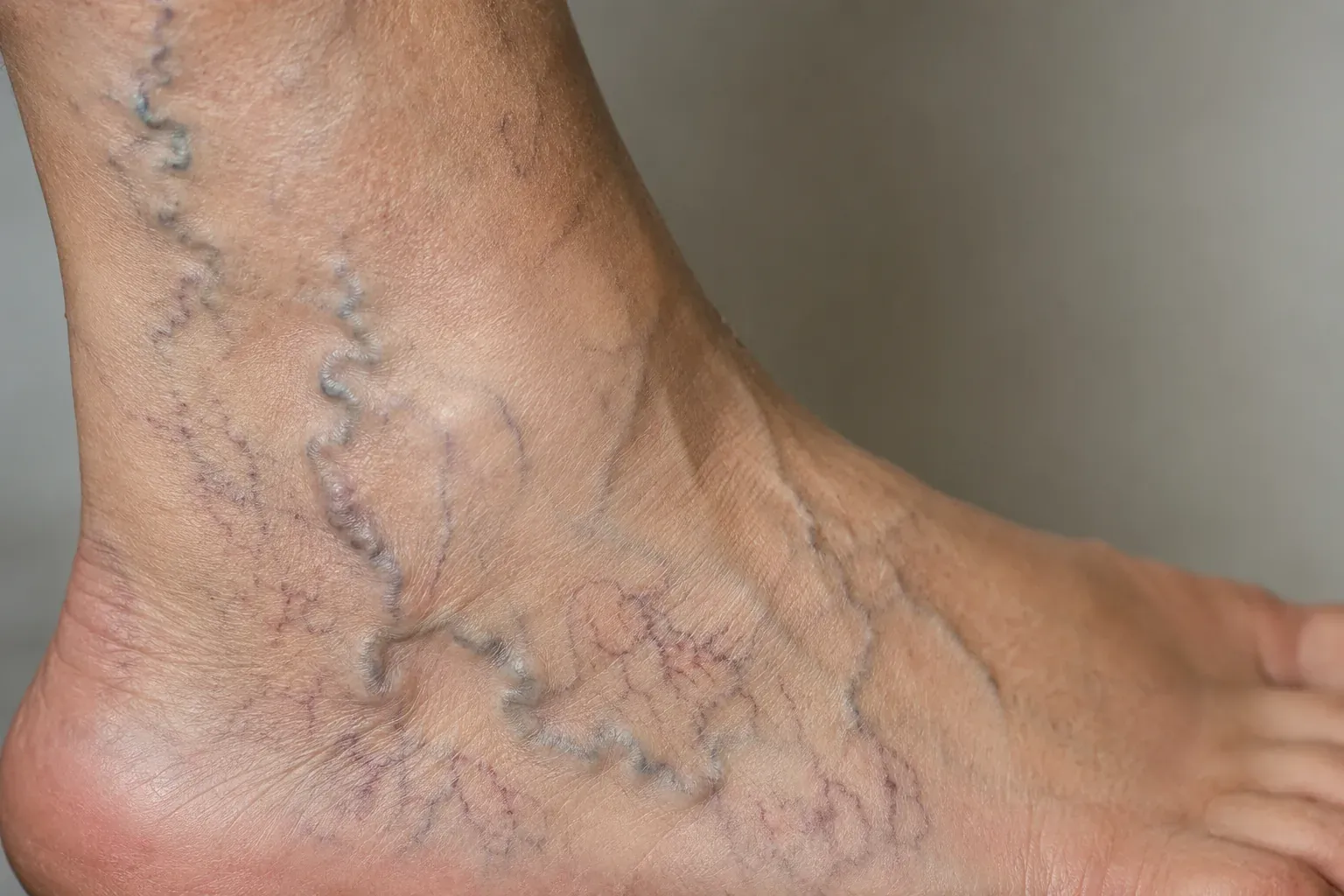
Feet are the first place circulation problems show and the last place people look for them. The signs have patterns.
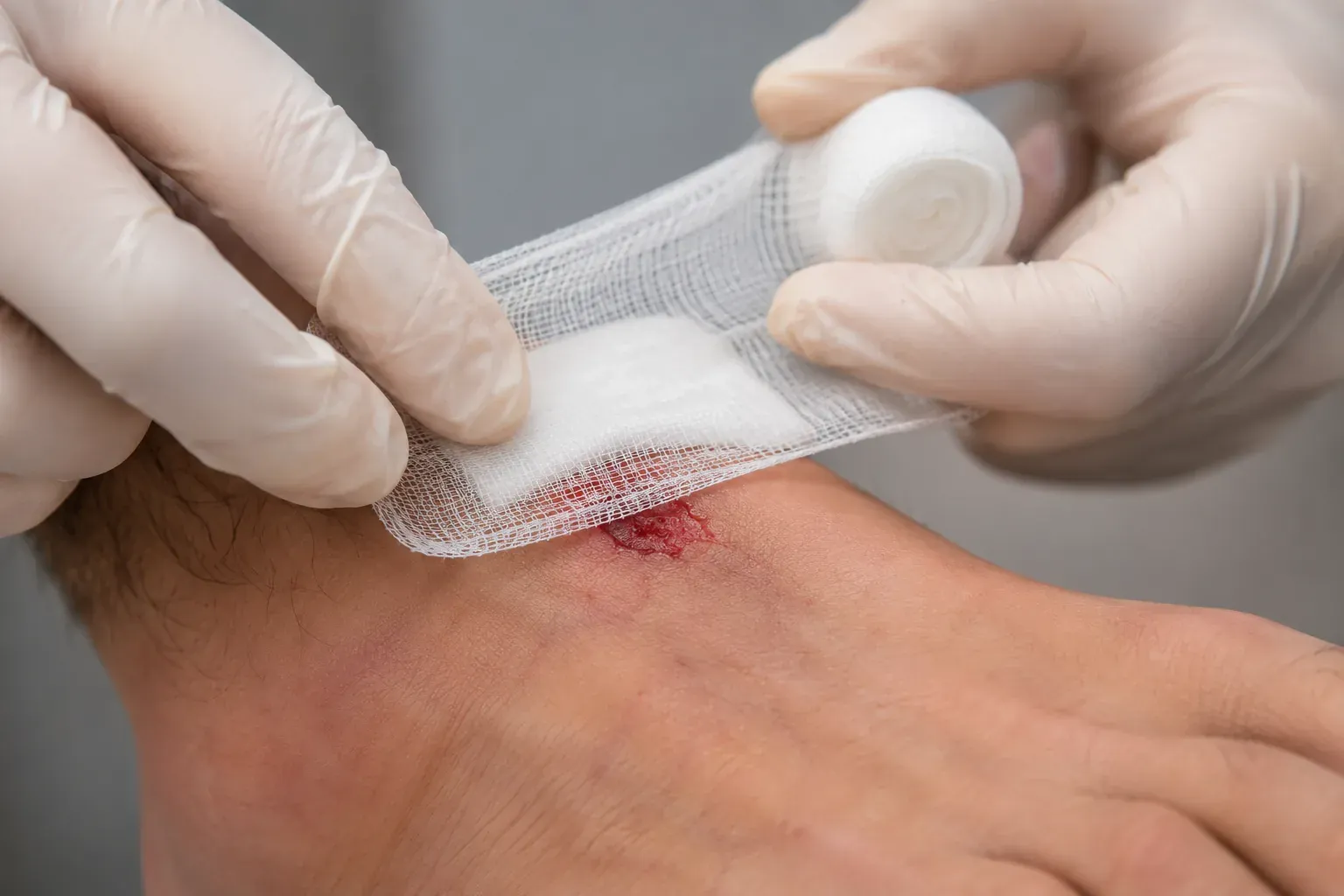
Read the article →A foot wound that's still open after weeks isn't slow; it's stuck, and stuck wounds don't unstick themselves. Advanced wound care is the discipline of finding what's stalling a wound and removing that obstacle, systematically, week after week, until skin closes.
Chronic wounds stall for identifiable reasons: dead tissue harboring bacteria, pressure re-injuring every step, biofilm, poor blood supply, or unmanaged swelling. Advanced care attacks each systematically: sharp debridement resets the wound bed to a healing state, total offloading removes the re-injury, advanced dressings maintain the moisture balance skin regrowth demands, and when a clean, offloaded wound still stalls, biologic grafts (including amniotic-derived) supply the scaffold and signals to restart closure. Circulation is checked early because nothing heals without flow.
Any foot wound open beyond two weeks belongs in structured care, full stop; with diabetes, that clock shortens to days. Also: wounds that keep recurring at the same spot, wounds with drainage or odor, and anyone told to 'just keep a bandage on it' for a month. The earlier a stalled wound enters real care, the shorter the story.
Measurement and photography, depth and infection assessment, circulation screening, and identification of the stall: the visit answers why this wound is open, not just what to put on it.
Nonviable tissue is removed (usually painless in neuropathic feet), pressure is engineered away with boots or shoe modifications, and the dressing regimen is matched to the wound's behavior.
Wounds are re-measured on a schedule; a wound not measurably smaller in 4 weeks triggers escalation (grafts, vascular referral) rather than another month of hoping.
Most uncomplicated ulcers, fully offloaded, close in 6 to 12 weeks; deeper or circulation-limited wounds run longer, and the data shows offloading compliance is the single biggest patient-controlled variable. After closure comes the part people skip: new skin stays fragile for months, so footwear, inserts, and surveillance continue, because preventing wound number two is part of treating wound number one.
Wound care's honest constraints: infection can develop despite good care (hence the monitoring rhythm), grafts fail when circulation or offloading is inadequate, and no dressing on earth heals a wound that's still being walked on or starved of blood, which is why we escalate to vascular colleagues without ego when flow is the obstacle. Most wound care is well covered by insurance, including Medicare.
Because dressing choice is rarely the stall. The usual culprits are pressure (still walking on it), dead tissue, or circulation, and none of those respond to ointment. Structured care finds your wound's specific obstacle; that's the difference between wound care and wound covering.
In neuropathic feet, usually not at all; sensation loss covers the wound area. Where feeling is intact, we use local anesthesia. Patients routinely fear debridement and then are surprised it was the easy part.
Biologic sheets, often amniotic-derived, applied to clean, offloaded wounds that still won't close; they provide collagen scaffolding and growth signals that recruit your own healing. They're an escalation tool with good evidence, not a first bandage, and typically insurance-covered when criteria are met.
Feet are the first place circulation problems show and the last place people look for them. The signs have patterns.
Read the article →Most diabetic ulcers are predictable, which means most are preventable. Here's where they come from and how to interrupt the process.
Read the article →On most feet a callus is cosmetic. On a diabetic foot it's a pressure gauge, and sometimes a lid over something worse.
Read the article →One exam at our Sugar Land office answers it. Call (281) 494-0572 or book online.