Heel Pain That Won't Go Away: What You're Probably Missing
When heel pain outlasts months of trying, one of four things is usually going on. None of them is 'just live with it.'
Read the article →Heel pain is the most common problem walking into our Sugar Land office, and one of the most fixable. The key is that "heel pain" isn't one condition; at least six different structures can hurt there, and each is treated differently.
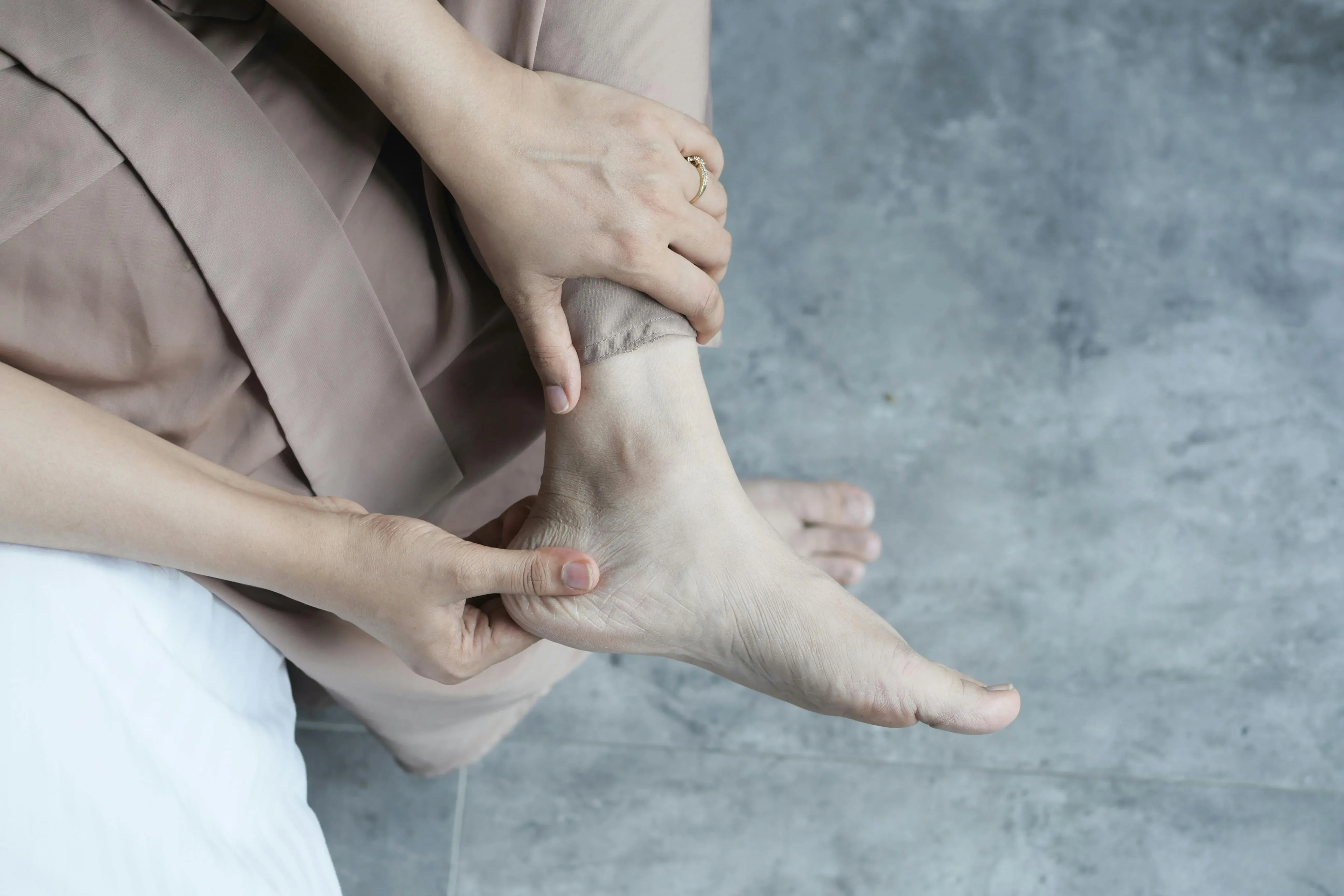
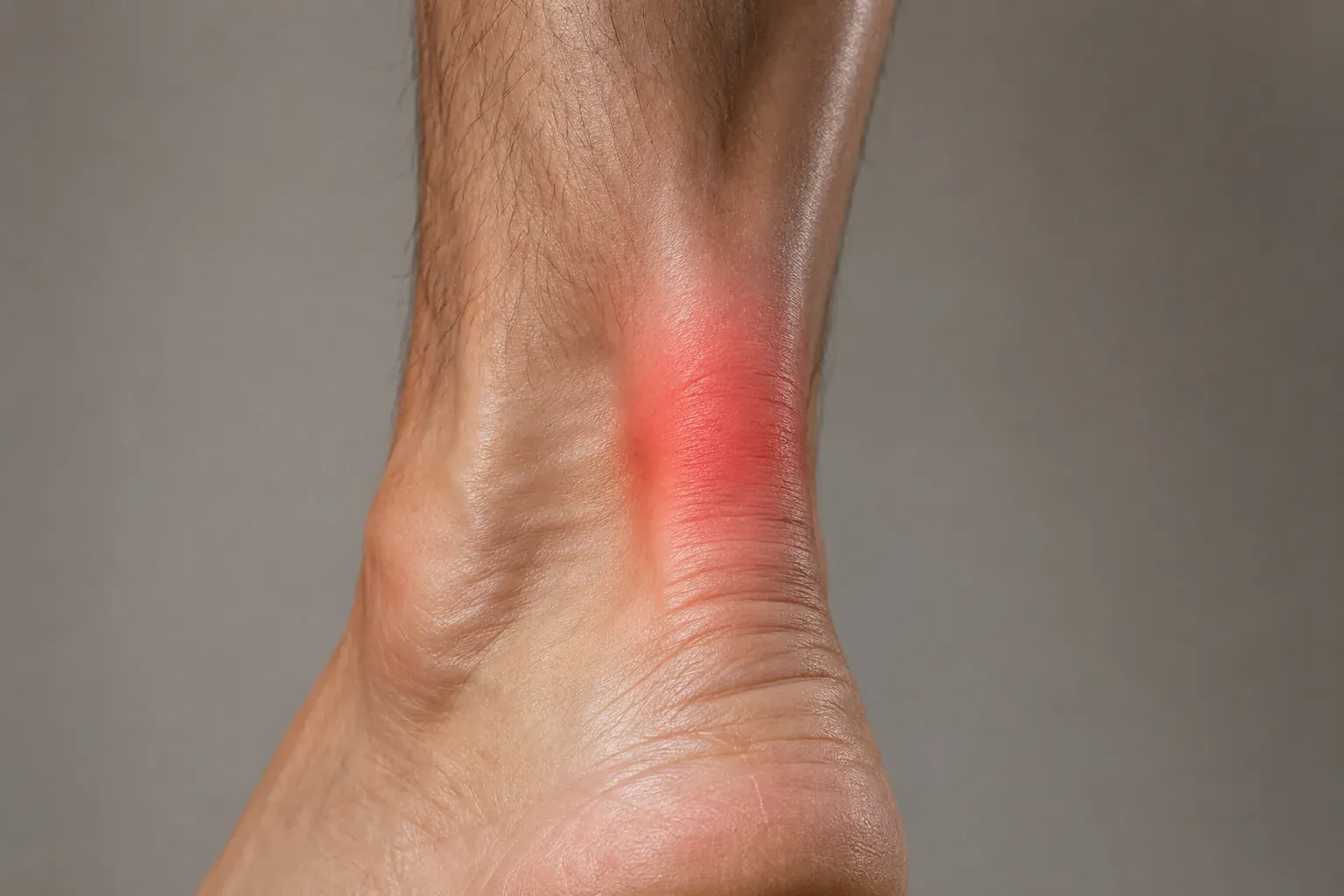
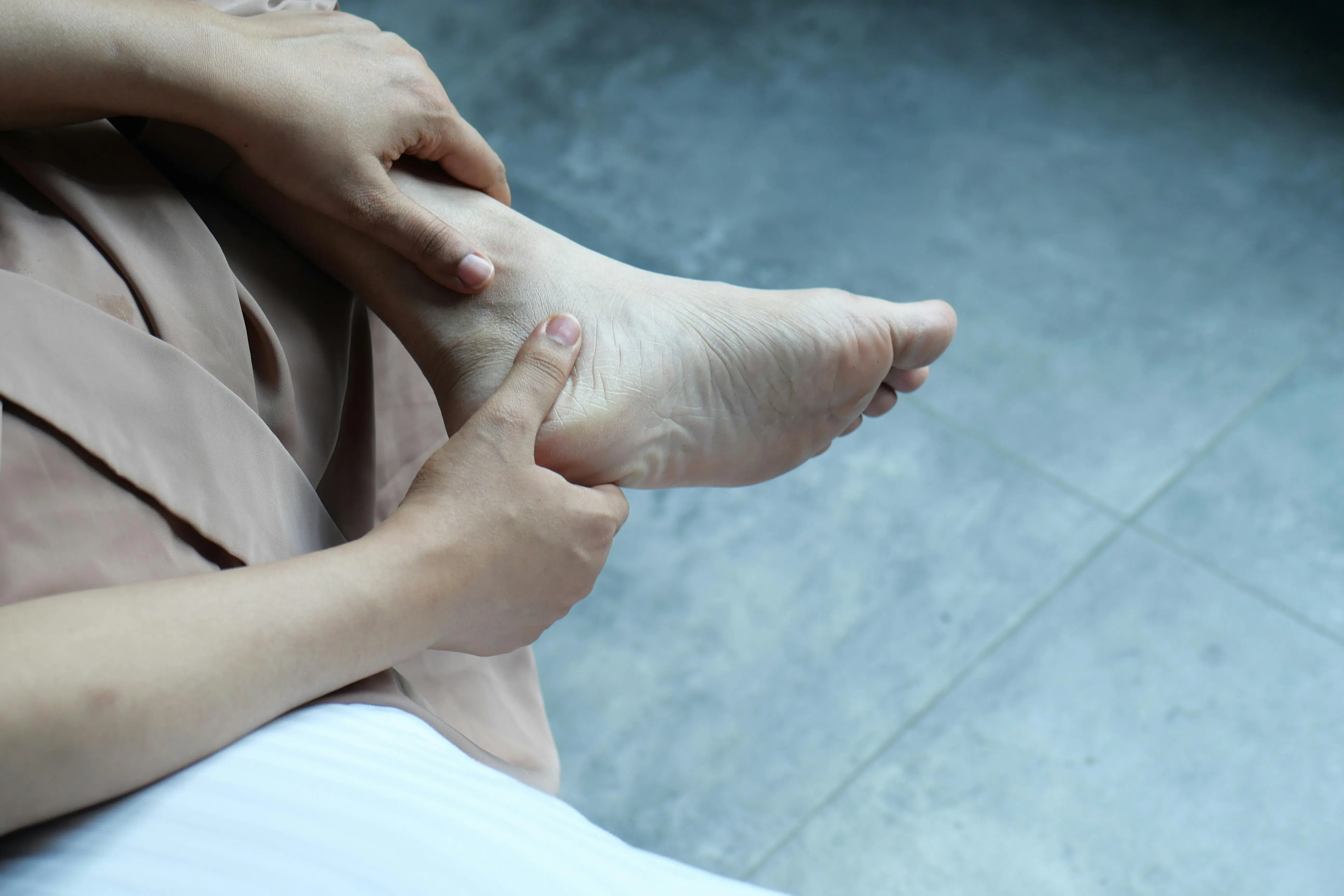
The heel takes the first and hardest hit of every step, absorbing forces well beyond your body weight. Pain under the heel most often comes from the plantar fascia; pain behind it usually involves the Achilles tendon or its bursa; pain inside the heel bone itself can be a stress fracture or a pinched nerve. Where it hurts, and when, points to which structure is failing.
Dr. Patel pinpoints the painful structure by hand, checks calf flexibility and gait, and examines your everyday shoes for wear patterns. In-office X-rays or diagnostic ultrasound are added when the exam suggests a stress fracture, a tear, or something beyond simple overload, so you leave knowing exactly which structure is involved.
If heel pain has lasted more than two weeks, keeps returning, or changes how you walk, it's time for an evaluation. Early treatment is dramatically faster: heel pain treated in month one usually resolves in weeks, while heel pain ignored for a year can take many months to unwind.
Call (281) 494-0572 promptly for: sudden severe heel pain after an injury or a pop; inability to bear weight; redness, warmth, or fever; numbness or tingling spreading through the foot. Urgent foot problems are worked into the schedule faster.
Treatment starts with the simplest option likely to work and escalates only when needed.
Most heel pain responds to a specific calf and fascia stretching program plus shoes that support the actual problem. Simple, unglamorous, and effective.
Prescription inserts redistribute pressure away from the painful structure so it can heal while you keep walking.
For stubborn heel pain that has resisted weeks of conservative care, sound-wave treatment stimulates healing without downtime or injections.
Cortisone in the right spot, or minimally invasive options for chronic cases; surgery is a last resort and rarely needed for heel pain.
Overnight, the plantar fascia tightens while it tries to heal. Your first steps re-stretch it abruptly, tearing the fragile overnight repair, which is the classic signature of plantar fasciitis. Morning-first-step pain points strongly to the fascia rather than bone or nerve.
Mild, recent heel pain sometimes settles with rest and better shoes. Heel pain that has lasted more than a few weeks rarely resolves without addressing the cause, and it tends to become more stubborn the longer it's ignored.
Not always. The exam usually identifies the cause. X-rays are added when a stress fracture, arthritis, or bone spur needs confirming, and we take them in the office the same visit.
Usually yes, with modifications. Swapping impact for cycling or swimming, adjusting mileage, and adding support often lets you stay active while healing. Pushing through unmodified impact is how six weeks of recovery becomes six months.
When heel pain outlasts months of trying, one of four things is usually going on. None of them is 'just live with it.'
Read the article →That stabbing first-step pain has a specific cause, and it's one of the most fixable problems in podiatry.
Read the article →The Achilles heals on tendon time, not your calendar. Knowing the real numbers prevents both premature quitting and reinjury.
Read the article →One visit at our Sugar Land office gets you a diagnosis and a plan. Call (281) 494-0572 or book online.